
Leading & Misleading
It can appear, at times, as if storytelling conventions are limits on our creativity as scriptwriters. This can be true, if we see those structures as the blueprint for success. Thinking this way, in my opinion, can only lead to a joyless writing experience. And whilst crafting something great isn’t going to be fun from ideation to final draft, there should be moments, at least, where we are excited.
If we are excited, then, hopefully, that enjoyment will be communicated to the reader. And a script is a document to be enjoyed, especially if we are an unknown writer, looking to make impact. The reader’s experience matters. How we lead them through our script matters. It cannot be a cold, functional document. The reader aren’t on our team (yet)- it is our job to convince them, to buy in.
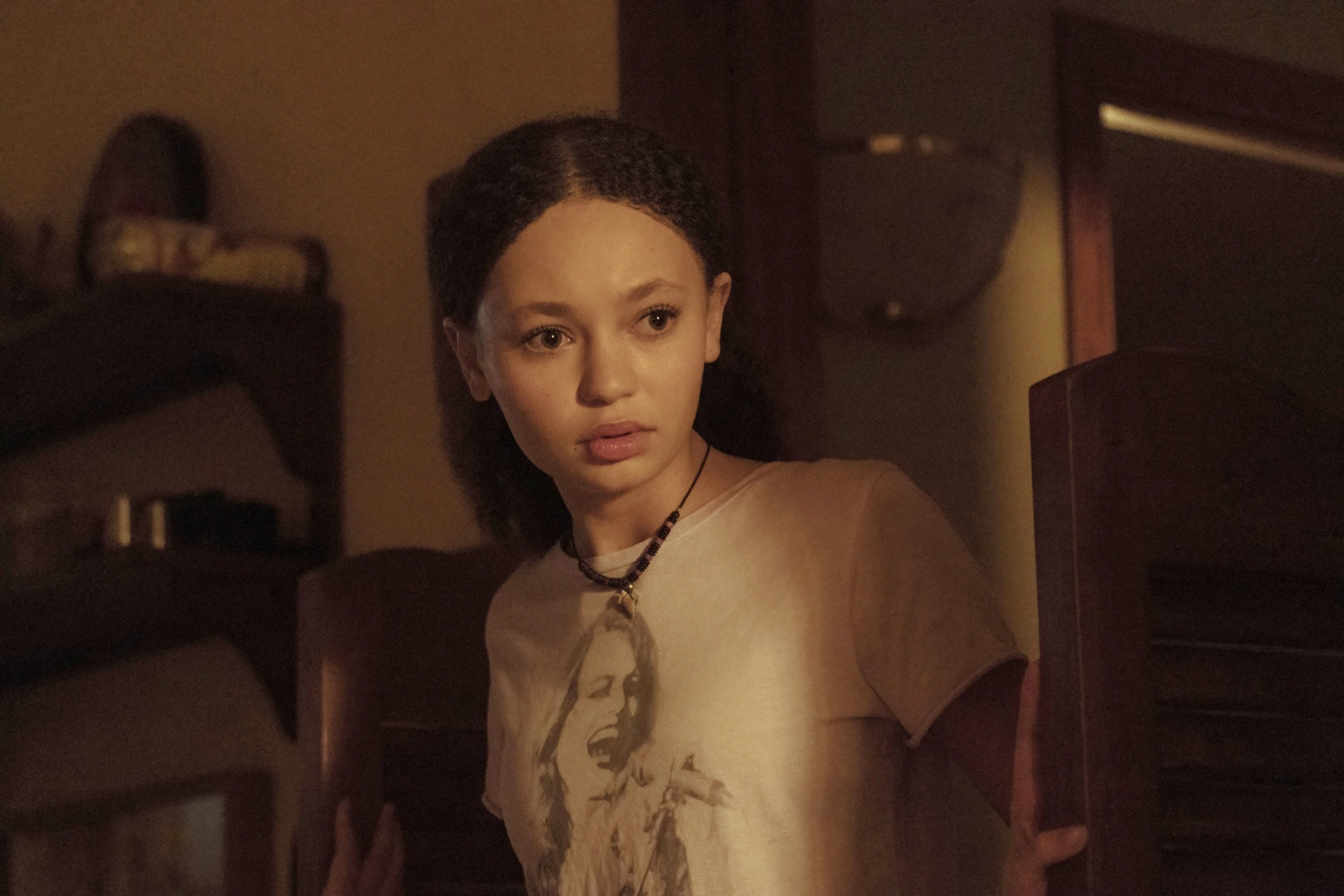
The Last of Us (2023)
Few skillsets can be more impactful in getting them on our team, than effective misdirection.
In misdirection, we are giving a detail (be that a person, object, action or setting) enough page time to imbue it with a reverence. We are saying, “This thing is crucial”, only to pull the rug later with a twist. It is a “red herring”, placed for dramatic or comedic impact.
One striking example comes in Season One, Episode One of HBO dystopia The Last Of Us.
Spoiler alert!
We are seeing things through the eyes of a teenage girl called Sarah. Then halfway through, she is shot dead. It is devastating in the way it happens, but all the more because, in making her the protagonist, we were misled to believe she couldn’t die, or not for a while at least.
Knowing the conventions of storytelling, and thus audience expectations, rather than giving us a limiting blueprint, provides us with opportunities. To play and subvert, for emotional impact.
To read more, and to be part of the conversation, join Script East Midlands’ very own Script Club.