
The perfect story
This is the first in a series of posts on First Draft 2026, a day-long symposium organised by the TV Foundation. Taking place at Soho Theatre in March 2026, guests included John Yorke- former Controller of BBC Drama Production, Head of Channel4 Drama and author of best-selling storytelling manual Into the Woods.
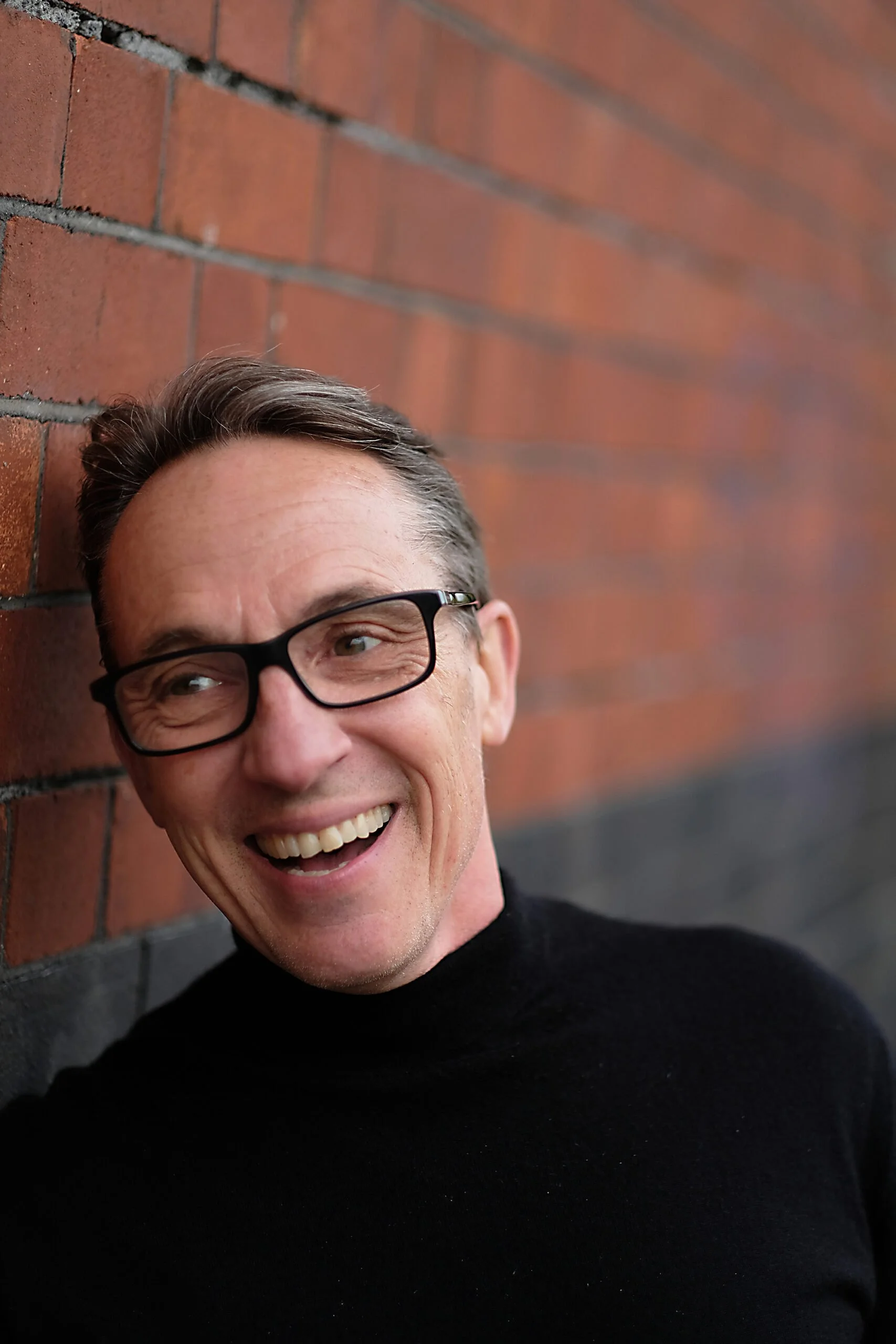
John Yorke
Entitled ‘The Perfect Story’, Yorke’s presentation reframed the scriptwriter’s role as a dealer of drug-like hormonal “hits”, our job to attune every scene, every character, to maximising emotional impact on our audience.
When we see a character punched on screen, win on screen, cry on screen, we feel it. This is a product of our mirror neurons; “a distinctive class of neurons that discharge both when an individual executes a motor act and when he observes another individual performing the same or a similar motor act” (https://pmc.ncbi.nlm.nih.gov/articles/PMC3510904).
Our job as drug dealers begins with our main character. For Yorke, “sympathy [for the plight of characters] doesn’t create viewers… a desire to be the protagonist does”, whom audiences connect with for the repressed feelings they overcome (but we cannot).
Comparing the narrative choices behind successful and unsuccessful TV shows, Yorke asked us to ask ourselves, who would it be more thrilling to be?
For a story to be perfect, the audience must give a shit about what the protagonist wants, their success being our success. But for the hit to be stronger, we must make them work for their wins, subverting expectations as much as possible.
“Subversion of expectation smashes our defences and creates a hormonal response… it strips away our prejudices”, delaying gratification, threatening disaster, amplifying that vicarious pleasure of victory. “It is our job to make each beat as satisfying as possible,” says Yorke, by making it “the least likely thing to happen”.
Each scene is a potential new hit, but repetition (non-subversion) “negates the drug”. Drilling into specifics, Yorke drew on the process of legendary Hollywood screenwriter Shane Black (Kiss Kiss Bang Bang, Lethal Weapon, Predator), who defined a successful action sequence as being like a “good news – bad news joke”:
Bad news! You are pushed out of an aeroplane…
Good news! You have a parachute backpack…
Bad news! The parachute has been tampered with…
Good news! You have an emergency back-up…
Bad news! The rip-cord fails…
…and so on and so on, subverting expectations again and again, the “pendulum swinging” between “hope-fear-hope-fear”.
In short, as writers, we must understand and drill down into the fears of our audience. What do they want to defeat? Because it is “the enemy that defines the story”. Does our antagonist “incite awe, fear, violence, uneasiness”?
In defeating a deep fear, protagonists in successful dramas serve a quasi-religious function, claims Yorke, delivering pain and ecstasy, like the heroes of our formative myths and religions; storytelling’s origins- indeed, its purpose.
“Find the wound,” says Yorke, “[and] tell them a story that will cure it”.